Coin Street bulk waste clearance for SE1 flats
Posted on 12/10/2026
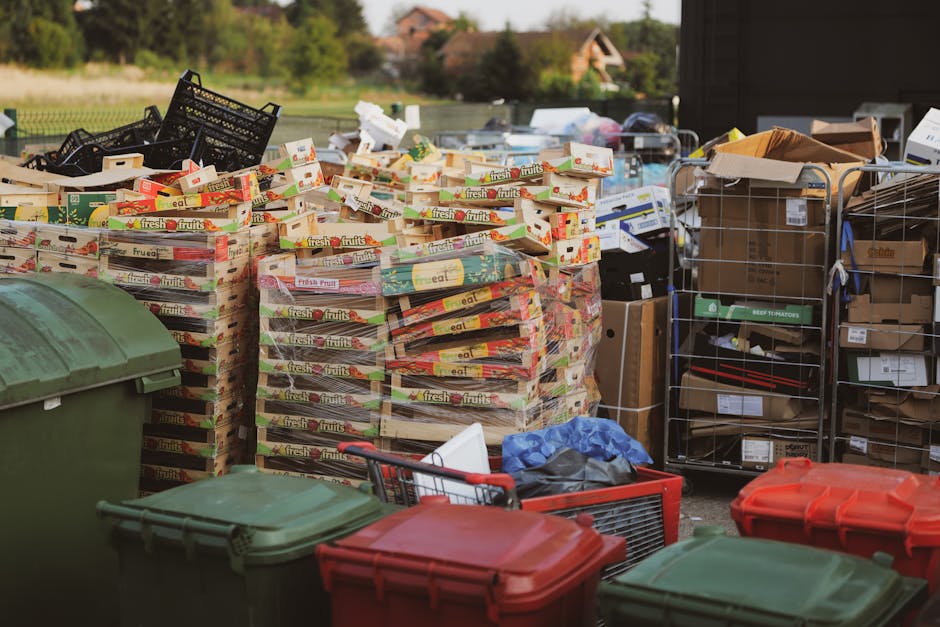
If you live in a flat near Coin Street, you already know the awkward bit about getting rid of large waste items: the stairs are narrow, the lift is tiny, and the communal hallway always seems to get in the way at exactly the wrong moment. That is where Coin Street bulk waste clearance for SE1 flats becomes genuinely useful. It is not just about throwing things away. It is about moving bulky items out safely, keeping the building tidy, and making sure you do not leave a headache for yourself, your neighbours, or the managing agent.
In SE1, that often means handling old sofas, broken wardrobes, mattresses, appliances, and renovation leftovers with a bit more planning than you might expect. Truth be told, the best clearances are the ones you barely notice: quick, organised, and finished without a trail of dust, scuffed walls, or last-minute panic. This guide walks through how it works, who needs it, what to watch for, and how to choose a sensible, lawful approach.
- Why it matters in Coin Street and SE1 flats
- How the clearance process works
- Key benefits and practical advantages
- Who it is for and when it makes sense
- Step-by-step guidance
- Expert tips for smoother results
- Common mistakes to avoid
- Tools, resources and recommendations
- Law, compliance and best practice
- Options and method comparison
- Real-world example
- Practical checklist
- Conclusion
- Frequently asked questions
Why Coin Street bulk waste clearance for SE1 flats Matters
Bulk waste clearance in Coin Street matters because flats present a very different set of problems from a house with a front drive. You may need to navigate shared entrances, lift restrictions, timed access, concierge rules, or loading bays that are not exactly generous. One oversized item can turn into a small logistical puzzle. And if the item is heavy, awkward, or breakable, the risks climb quickly.
There is also the neighbour factor. In a flat block, waste left in a corridor or on the pavement tends to become everyone's problem. It can block access, create fire-safety issues, attract complaints, and make the building look neglected. Nobody wants to be the person whose old wardrobe sat in the lobby all weekend. Not ideal.
For SE1 residents, bulk waste clearance is often about more than convenience. It is about doing things in a way that respects shared living, building rules, and the pace of central London life. If you are near Coin Street, you are likely dealing with limited space and a steady flow of people around the area. That makes timing, access, and tidy removal even more important.
Practical takeaway: the right bulk waste clearance service should make flat living easier, not harder. If the plan depends on guesswork, blocked hallways, or "we'll sort it on the day," it probably needs more thought.
How Coin Street bulk waste clearance for SE1 flats Works
The process is usually straightforward, but good clearances depend on clear communication. First, you list what needs removing. Then you work out access, timing, item size, and any building restrictions. After that, a collection is arranged and the items are moved out of the flat, through the building, and taken away for disposal, reuse, or recycling where appropriate.
For flats near Coin Street, the main variables are access and handling. A single mattress is one thing. A broken corner sofa with no lift access is another. The practical side matters: can the items fit through the stairwell, is parking available nearby, can the team park legally, and will the building allow collection within the agreed time window? These details sound small until they are not.
Most residents want the same three outcomes: minimal disruption, no damage, and a clean finish. A sensible clearance provider will usually confirm item types in advance, give guidance on what can be taken, and explain any limits. If you have mixed items, such as furniture and builders' waste, it helps to separate those early rather than leaving everything in a single pile and hoping for the best.
There is also the sorting side. Reuse, recycling, and responsible disposal matter more now than they once did. In practical terms, that means a good provider should be able to explain what happens to the waste rather than treating it all as one anonymous load. People notice that. As they should.
Key Benefits and Practical Advantages
The main benefit is simple: you reclaim space without having to lift, carry, or transport bulky items yourself. But there is a bit more to it than that. In a flat, especially in SE1, convenience is only part of the value. You are also buying time, reducing stress, and lowering the chance of accidental damage.
Here are the practical advantages people usually care about most:
- Less physical strain: no dragging heavy furniture down stairs or through tight corridors.
- Cleaner common areas: items are removed in one planned visit, not left waiting around.
- Reduced disruption: timed collections help you avoid upsetting neighbours or breaching building rules.
- Better handling of awkward items: large wardrobes, appliances, and mixed rubbish are managed properly.
- More reliable disposal: items can be sorted for reuse or recycling where possible.
There is another benefit people do not always mention: peace of mind. Once the clearance is booked, the task is off your shoulders. No wondering when you will get around to it. No half-finished pile in the hallway. That psychological relief can be worth a lot on its own, especially if you are already juggling a move, a refurbishment, or a building management deadline.
For landlord, letting agent, and property manager situations, bulk waste removal also helps maintain standards between tenancies. It keeps the flat ready for the next stage without turning turnover into a messy weekend project.
Who This Is For and When It Makes Sense
Coin Street bulk waste clearance for SE1 flats is a good fit for residents and property professionals who need a fast, tidy way to remove large items. That includes tenants, leaseholders, landlords, short-let operators, and managing agents. It also helps when a flat has been lived in for years and the clutter has slowly become "temporary storage" in the corner. We have all seen that corner.
It tends to make sense in situations like these:
- You are moving out and need to clear bulky items before inventory or handover.
- You are replacing furniture and want the old pieces removed on the same day.
- You are dealing with inherited belongings after a move, probate, or family change.
- You are renovating and need to remove broken cupboards, flooring offcuts, or debris.
- You manage a rental and want the flat cleared quickly between occupancies.
- You have an appliance that is too awkward to move safely on your own.
Sometimes people assume they can manage a bulky clearance with a normal rubbish bag run. In a flat, that usually ends in multiple trips, scratched walls, and a lot of sighing. If the items are heavy, oddly shaped, or too much for the lift, a dedicated service is usually the cleaner choice.
It is also sensible when time matters. If you have a delivery arriving, builders due in, or a checkout deadline, bulk clearance stops clutter from slowing the whole job down.
Step-by-Step Guidance
If you want the smoothest possible clearance, a little preparation goes a long way. The process does not need to be complicated, but it does benefit from order. Here is a sensible way to tackle it.
- Identify every item to be removed. Make a list of furniture, appliances, boxes, and mixed waste. A quick photo or two can help as well.
- Separate what stays from what goes. This sounds obvious, yet it saves a surprising amount of confusion on the day.
- Check access details. Think about lifts, stairs, codes, parking restrictions, concierge arrangements, and loading times.
- Measure awkward items if needed. Large wardrobes, bed frames, and sofa beds can be deceptive. They look smaller until they are at the door.
- Tell the provider about any constraints. For example, quiet hours, fragile flooring, tight corners, or a building manager who needs notice.
- Confirm timing and arrival expectations. A clear window is better than vague promises.
- Prepare the route. Move smaller loose items out of the way so the clearance team can work safely.
- Do a final walk-through. Check cupboards, balconies, and storage nooks before the team leaves.
One small but helpful tip: if you can group items by room, the load-out tends to go faster. The team can work logically, and you will be less likely to miss something. It is one of those boring little things that saves time. Every time.
If you are planning a broader property refresh, it can also help to look at related services such as furniture removal in Waterloo, house clearance in Waterloo, or rubbish collection in Waterloo depending on the mix of items involved.
Expert Tips for Better Results
A good clearance is rarely about brute force. It is about planning, communication, and a little common sense. Here are the small expert habits that make a noticeable difference.
- Be precise about item types. "A few bits of furniture" is not nearly as helpful as "one sofa, two desks, three bags of general waste, and a broken washing machine."
- Flag difficult access early. If there is no lift, no parking, or a narrow landing, say so upfront. No surprises, please.
- Take photos of larger items. This is especially useful for awkward pieces that may need dismantling.
- Keep the route clear. Shoes, prams, bike locks, and hall clutter can slow everything down more than you would expect.
- Think about timing. Mid-morning often works better than very early or late slots in busy residential buildings.
- Ask about sorting. If recycling or reuse matters to you, make that part of the conversation before collection.
To be fair, the best tip is probably the simplest one: do not wait until the flat is at crisis point. A small, planned clearance is easier and usually cheaper to manage than a chaotic last-minute one. It is like washing up as you cook. Less glamorous, much better outcome.
If you need items to be broken down first, ask whether dismantling is possible before the visit. A bed frame that has already been partially taken apart can save a lot of hassle. And if you are dealing with bulky appliance disposal, look into white goods and appliance disposal in Waterloo so the job is handled appropriately.
Common Mistakes to Avoid
Most problems with bulk waste clearance come from rushing. That is the honest answer. The item removal itself might only take a short time, but the planning mistakes can create delays, extra cost, or a mess in shared areas.
- Leaving everything until the last minute: this often means poor access planning and unnecessary stress.
- Underestimating item size: large pieces can be awkward to turn in hallways and stairwells.
- Not checking building rules: some blocks have access limits, quiet hours, or required notice.
- Mixing recyclable and non-recyclable items without thought: it makes sorting harder later.
- Assuming every item can be taken without saying so: some materials need special handling.
- Blocking communal areas: even for a short time, it can cause complaints or safety concerns.
A classic mistake is forgetting about the hidden bits. Storage cupboards, balcony corners, and under-bed spaces are where clutter likes to hide. Then, when the clearance team arrives, there is suddenly more to take than anyone expected. Funny how that happens.
Another one is not asking about insurance or liability. If items have to be taken through tight communal spaces, it is sensible to understand how the work is covered and what the provider expects from you as the resident or organiser.
Tools, Resources and Recommendations
You do not need a van full of equipment to prepare for bulk waste clearance, but a few simple tools can make the job easier and safer. In most flats, the real challenge is organisation rather than muscle.
| Tool or resource | Why it helps | Best use case |
|---|---|---|
| Strong refuse sacks | Contain smaller loose waste and make sorting simpler | Mixed bagged rubbish, soft items, lightweight clutter |
| Labels or notes | Helps separate keep, donate, and remove piles | Pre-clearance sorting in lived-in flats |
| Tape measure | Useful for oversized furniture and tight doorways | Wardrobes, beds, sofas, and appliances |
| Dust sheets or moving blankets | Protects walls, floors, and corners | Shared hallways and narrow routes |
| Basic screwdriver or Allen keys | Helps with simple dismantling | Bed frames, shelving, and flat-pack furniture |
If your clearance involves a larger property change, the broader service pages can help you compare options. For example, builders waste disposal in Waterloo is relevant if the job includes renovation debris, while loft clearance in Waterloo can be useful where storage spaces are part of the problem.
For property owners and managers, it is also worth reviewing the provider's stance on waste carrier licence and compliance, along with their approach to recycling and sustainability. Those are not flashy details, but they matter more than people realise.
Law, Compliance, Standards, or Best Practice
Waste clearance in the UK sits within a framework of legal duties and practical best practice, especially when it comes to proper disposal and duty of care. You do not need to become a compliance expert to book a clearance, but you should know the basics.
First, waste should be handled by a properly authorised operator. In plain English, that means checking that the business is legitimate, insured where appropriate, and able to deal with the waste it collects responsibly. A waste carrier registration or equivalent compliance evidence is a sensible thing to ask about. Second, waste should not be dumped, fly-tipped, or left in a way that creates a nuisance for neighbours or building management.
In flats, best practice also includes respecting communal spaces. That means not blocking exits, not damaging walls or floors, and not leaving waste outside the building unless there is a clear, agreed arrangement. If you live in a managed development, there may be additional building rules. They are not always thrilling reading, admittedly, but they can prevent hassle on the day.
It is also worth being careful with certain item types. Electrical items, sharp objects, contaminated waste, and anything potentially hazardous may require special handling. If you are unsure, say so early. A reputable provider should be able to tell you what is acceptable and what needs separate treatment.
For business customers or mixed-use buildings, it can help to review broader service information such as commercial waste removal in Waterloo or office clearance in Waterloo if the job spans multiple property types.
Options, Methods, or Comparison Table
There is more than one way to deal with bulk waste in a flat. The right choice depends on item volume, urgency, access, and how much lifting you want to do yourself. Here is a simple comparison that tends to help people decide.
| Method | Best for | Pros | Watch-outs |
|---|---|---|---|
| Self-haul to a disposal point | Small loads and people with time, transport, and lifting ability | Can be cheaper if you already have a vehicle | Time-consuming, physically demanding, tricky in SE1 traffic |
| Man and van style clearance | Mixed bulky items and typical flat clearances | Flexible, convenient, less lifting for you | Needs good access info and item clarity |
| Full room or flat clearance | Large declutters, moves, and end-of-tenancy jobs | Best for bigger volume and faster turnaround | May be more than you need for just a few items |
| Specialist item removal | Appliances, mattresses, heavy furniture, or awkward items | Focused handling for particular item types | May need combining with other removal services |
If you are only clearing one or two items, a focused collection may be enough. If the flat has been accumulating clutter for months, a broader clearance may save time and reduce the number of visits. There is no magic formula here, just a sensible match between the job and the method.
For some households, a mix works best: keep what you can donate, separate any appliance or furniture disposal needs, and then book a general clearance for the rest. Not fancy. Just efficient.
Case Study or Real-World Example
Imagine a second-floor SE1 flat near Coin Street with no lift, a narrow landing, and a landlord needing the property ready for a new tenant within a few days. The outgoing tenant has an old sofa, a broken coffee table, a mattress, several bagged items, and an appliance that no longer works. The hallway is shared, the stairwell is tight, and the building has clear rules about keeping common areas clear.
The sensible approach is to sort the items before collection day, confirm the access route, and keep the building entrance free. The sofa and mattress are moved first because they are the most awkward items. Small loose waste is bagged and stacked neatly. The appliance is identified in advance so there is no confusion at the door. That means less time on site, less chance of damage, and a much smoother exit.
In a real flat like this, the difference between a rushed clear-out and a managed one is noticeable. You can hear it, almost. Less thumping on the stairs, fewer calls from downstairs, fewer frantic "does this stay or go?" moments. Everything just lands better.
The landlord gets the flat turned around more quickly. The tenant avoids a stressful last-minute scramble. And the neighbours do not have to step around a pile of rubbish in the corridor. That is the sort of result people remember, even if they never say it out loud.
Practical Checklist
Use this before your clearance appointment. It is simple, but it saves time and avoids a fair few headaches.
- List every item to be removed.
- Separate items to keep, donate, or dispose of.
- Measure the largest furniture if access is tight.
- Check lift access, stair width, and parking constraints.
- Confirm any building rules, time windows, or concierge requirements.
- Take photos of awkward, heavy, or damaged items.
- Clear hallways, entrances, and routes through the flat.
- Ask how appliances, mattresses, and mixed waste will be handled.
- Confirm whether recycling or reuse is part of the process.
- Do a final room-by-room check before the team leaves.
If you tick those off, you are already ahead of most last-minute clearances. Honestly, that alone can make the whole thing feel calmer.
Conclusion
Coin Street bulk waste clearance for SE1 flats is really about making awkward flat living simpler, safer, and less disruptive. When the plan is thoughtful, bulky items disappear without drama, communal areas stay tidy, and you get your space back quickly. That is the point, after all. Not a battle, not a mess, just a clean result.
Whether you are clearing one sofa or a whole flat's worth of unwanted items, the best outcome usually comes from clear access details, realistic timing, and a provider that understands how SE1 buildings actually work. Small preparation now can save a lot of annoyance later. And let's face it, the less you have to wrestle with a wardrobe in a stairwell, the better.
Get a free quote today and see how much you can save.
With the right plan, the job becomes manageable, and the flat starts to feel like yours again. That fresh, uncluttered feeling never really gets old.