Southbank waste collection guide for market traders
Posted on 11/08/2026
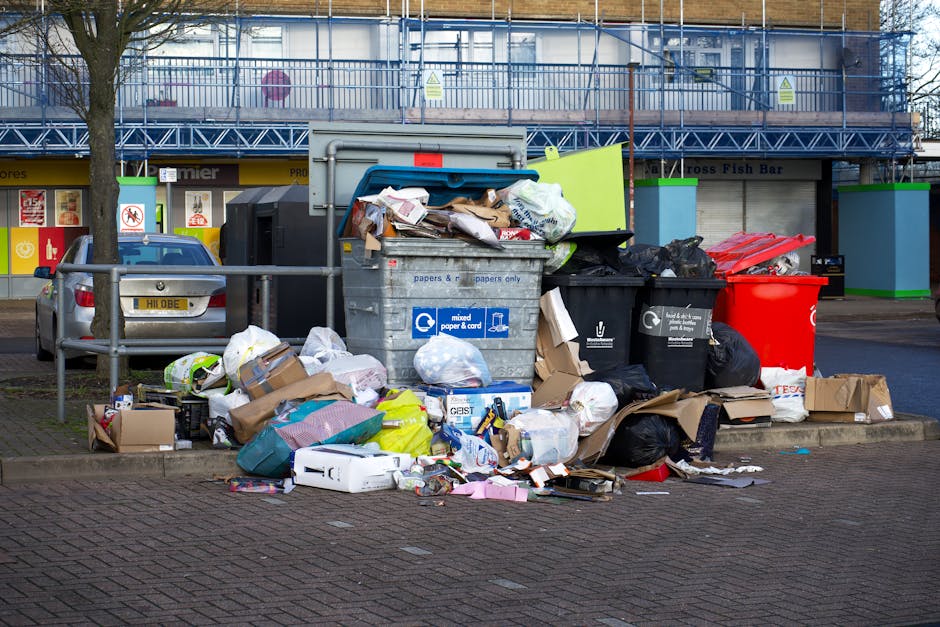
If you trade at or near Southbank, waste can become the thing that quietly ruins an otherwise smooth market day. One minute you are setting out produce, packaging, or handmade stock; the next, you are staring at cardboard, food scraps, broken crates, cling film, and a bin bag that somehow weighs twice what it should. This Southbank waste collection guide for market traders is here to make the whole process simpler, safer, and far less chaotic.
In practice, good waste handling is not just about tidiness. It affects how quickly you can pack down, how professional your stall looks, whether you avoid unnecessary mess, and how confidently you meet the expectations around business waste. It also saves money in the long run. Not glamorous, granted. But very real.
Below, you will find a practical, local-minded guide to planning, sorting, storing, and arranging market waste collection properly. We will cover the day-to-day realities, common mistakes, compliance points, and a few small habits that make an outsized difference. If you have ever wondered whether there is a better way to manage market rubbish without overthinking it, the answer is yes.
Why Southbank waste collection guide for market traders Matters
Market traders work in a fast-moving environment. Space is limited, footfall changes by the minute, and pack-down time can feel a bit like a race against the clock. That is why waste collection matters so much in Southbank. It is not only about removing rubbish at the end of the day; it is about keeping the stall workable throughout the day.
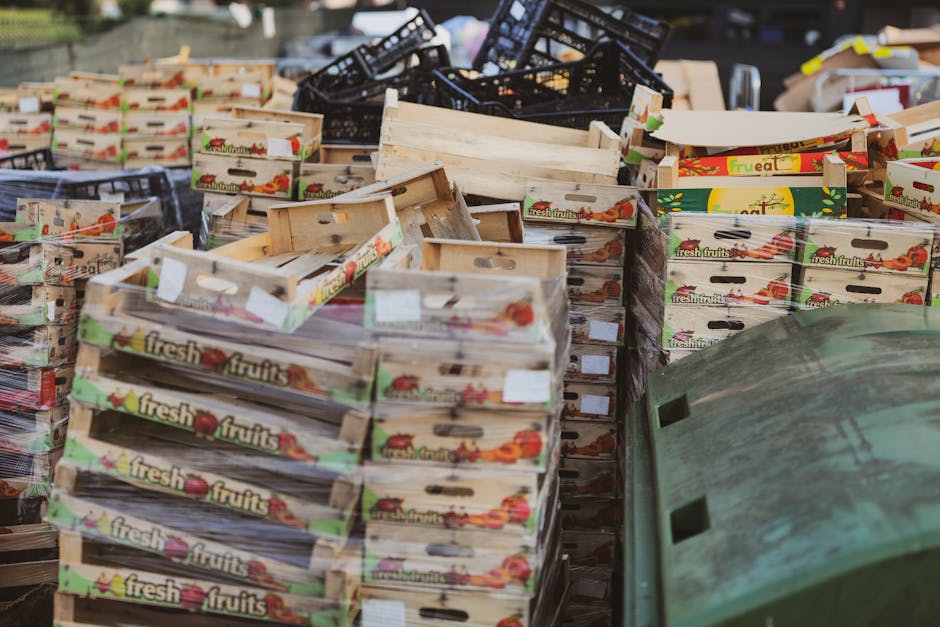
Southbank attracts a mixed crowd, which means market traders often deal with very different waste streams. A food trader may generate greaseproof paper, vegetable trimmings, disposable gloves, and food-grade packaging. A craft seller may deal with boxes, bubble wrap, tape, offcuts, and fragile packing materials. A drink stall might be left with bottles, cups, and spill-related waste. Each has its own handling needs, and if you lump everything together, disposal becomes messier and more expensive.
There is also the visible side of it. A tidy stall looks trustworthy. A cluttered one, even if the products are excellent, can make people hesitate. The rubbish behind the counter, the overfilled bag under the table, the stack of crushed boxes leaning into a neighbour's pitch - it all sends a message. Not a great one, to be fair.
And then there is time. Market trading rarely gives you luxury breaks. Good waste handling saves those precious extra minutes at breakdown, which is often the difference between leaving on time and packing up under pressure. That sounds small until you are doing it every week.
Expert summary: market waste is easiest to manage when you treat it as part of your trading setup, not as an afterthought. The best systems are simple, repeatable, and easy to follow even on a busy, slightly rainy day in London.
How Southbank waste collection guide for market traders Works
At a practical level, market waste collection usually follows a simple pattern: produce waste during trading, keep it separated where possible, store it safely, then hand it off through the correct collection route. The important bit is making sure that route is consistent and approved for the type and volume of waste you create.
Some traders rely on their own vehicles and multiple bins. Others use scheduled collection, shared waste points, or a broader commercial waste removal service for regular clearance. The right option depends on what you sell, how much waste you generate, and whether you need help with mixed or bulky materials.
If your stall creates recyclable packaging, clean cardboard, or paper, separation is worth the effort. If your waste is mostly mixed and contaminated, separation may still help, but only if you can maintain it without slowing everything down. The key is to be realistic. A perfect system that nobody follows is worse than a decent system everyone actually uses.
In our experience, the most effective collection setup has three parts:
- At-source sorting - separate waste as you create it, rather than sorting it all at the end.
- Secure temporary storage - use lids, lidded bags, tubs, or stackable containers so waste does not blow away or spill.
- Predictable removal - arrange collection at a time that matches your pack-down rhythm, not against it.
That last point matters more than most traders expect. Waste collection that arrives too early disrupts trading. Collection that arrives too late creates a back-of-stall pile-up. Timing is everything, or nearly everything.
Key Benefits and Practical Advantages
Good waste collection gives market traders more than a clean pitch. It supports the whole operation. Here are the main advantages, without any fluff.
- Faster pack-down: pre-sorted waste is easier to remove, which shortens the end-of-day scramble.
- Better stall presentation: customers respond to tidiness, especially in food and artisan markets where visuals matter.
- Reduced clutter and trip hazards: loose bags, broken boxes, and wet packaging are a safety issue as well as a nuisance.
- Less cross-contamination: separating food waste from recyclables improves handling and reduces smells.
- Easier compliance: documented, regular waste removal is much simpler to manage than ad hoc dumping or improvising.
- More predictable costs: when you know your waste volumes, you can choose a better-fit collection method.
There is another benefit that is easy to miss: better working relationships with neighbours. Whether those neighbours are other traders, venue staff, or people managing the wider site, nobody enjoys starting the day by stepping over yesterday's leftovers. A good waste routine is a small act of professionalism. It shows you respect the place you trade in.
If you are also thinking about broader business operations, it can help to review the wider services overview and think about waste as part of your workflow, not a separate chore. That change in mindset tends to reduce headaches quite quickly.
Who This Is For and When It Makes Sense
This guide is for market traders operating in Southbank who need a sensible, low-stress way to handle waste. That includes food stalls, drinks vendors, artisan sellers, florists, gift traders, pop-up retailers, and seasonal businesses with changing waste volumes.
It also makes sense if you run a trading setup that changes week by week. Maybe you are busier at weekends, or maybe you take part in special events and festivals, which means packaging and offcut waste spikes for a short period. Waste collection becomes much more important during those bursts. You do not want to be figuring out disposal after the stall is half-packed and everyone is tired.
It is particularly useful when:
- you generate more waste than a single small bin can handle
- you need support with bulk packaging, crates, or mixed rubbish
- you want a cleaner, more professional stall finish
- you share a site and need to avoid creating friction with other traders
- you have food waste, recyclables, and general waste all happening at once
If your stall only creates a tiny amount of dry waste, a simple home-style approach may be enough. But once you are dealing with regular collection needs, it usually becomes smarter to create a defined system. Let's face it, market life is busy enough without improvising rubbish management every weekend.
Step-by-Step Guidance
Here is a straightforward way to build a waste routine that actually works in real life, not just on paper.
- Identify your waste types. Make a quick list of what your stall produces: cardboard, food waste, plastic wrap, damaged stock, paper, bottles, and any non-recyclable rubbish.
- Estimate your daily volume. You do not need exact maths. Just notice whether you leave with one bag, three bags, or an awkward stack of flattened boxes.
- Choose separate containers where possible. Use different bags, crates, or bins for general waste and recycling. Even one extra container makes a difference.
- Decide where waste will live during trading. Keep it out of the customer area and away from food preparation. If something smells or leaks, it should not sit in the sun all day.
- Plan the pack-down sequence. Put waste removal into your closing routine. If you have a team, assign one person to waste and one to product packing.
- Arrange collection around your real finish time. Not the time you wish you finished. The actual one, when the last crate is closed and the till is done.
- Record what keeps happening. If one waste type always overflows, that is a sign your setup needs adjusting.
A small but useful habit is to photograph your waste setup after pack-down for a week or two. Sounds a bit obsessive, perhaps, but it helps you see patterns. You might notice the same cardboard pile, the same oversize bag, or the same awkward corner where rubbish always gets dumped. Once you see the pattern, fixing it becomes much easier.
Expert Tips for Better Results
After a while, waste management becomes less about theory and more about tiny improvements. These are the kinds of things experienced traders and operators tend to learn the hard way.
- Flatten cardboard immediately. Waiting until the end means it takes up double the space and behaves like a floppy, annoying sail in the wind.
- Keep liquids separate. Wet waste makes everything heavier, messier, and harder to carry.
- Use liners that match the job. Overly thin bags split at the worst moment. Always. Usually when you are already late.
- Label containers clearly. If different team members help at different times, labels prevent guesswork.
- Store waste off the ground where possible. This helps with cleanliness and reduces pests.
- Review your waste every few weeks. A market stall is not static. Seasonal changes, new products, and weather all affect what ends up in the bin.
Another useful habit is to talk with neighbouring traders. Not in a nosy way, obviously. Just a quick, practical check-in. Often someone nearby has already solved the exact problem you are facing, whether it is lightweight packaging blowing about or a food waste container that needs a better lid.
If you use a professional collection provider, it is worth asking about handling mixed commercial waste and recycling. A service that can manage broader waste removal needs may be better suited if your stall produces a wide spread of materials.

Common Mistakes to Avoid
Most waste problems are not dramatic. They are just small errors that keep repeating until they become expensive or awkward.
- Leaving sorting until the end of the day. By then, everything is mixed up and tired hands make lazy decisions.
- Using the wrong bag size. Too small is frustrating; too large encourages overfilling and awkward lifting.
- Ignoring food contamination. A clean recyclable becomes non-recyclable very quickly once sauce or liquid gets involved.
- Letting waste block walkways. Safety issues are easy to overlook when you are focused on sales.
- Assuming all waste can go together. It cannot. Not in practice, and not if you want a tidy, efficient setup.
- Forgetting about collection timing. A missed slot can leave you stuck managing waste far longer than planned.
The sneaky mistake is underestimating volume. You might think your stall only creates a couple of bags, until the end of a busy Saturday when the boxes, wrap, scraps, and broken packaging appear all at once. The pile always looks bigger after the last customer has left. Funny how that works.
Tools, Resources and Recommendations
You do not need a fancy setup to manage waste well. But a few practical tools make life easier and reduce mess immediately.
- Stackable tubs or crates: useful for empty packaging, display offcuts, and dry materials.
- Strong bin bags: choose a size and strength suitable for commercial use, not just domestic leftovers.
- Lidded containers: especially helpful for food waste, damp materials, or anything that attracts smell.
- Label tape or marker pens: simple, cheap, and surprisingly effective.
- Foldable trolley or sack barrow: a decent choice if you need to move waste from pitch to collection point without straining yourself.
For traders handling business waste regularly, it is also sensible to read up on safe collection practices and the basics of carrier compliance. The page on waste carrier licence and compliance is a useful starting point for understanding what to look for in a provider.
Where sustainability matters to your customers, you may also want to think about the split between recyclable and residual waste. The site's recycling and sustainability information is relevant if you are trying to make your stall cleaner and greener without making the process impractical.
If you need help with budgeting or want to compare collection options before making a decision, take a look at pricing and quotes. That is often the simplest way to understand what level of service fits your operation. No drama, just clarity.
Law, Compliance, Standards, or Best Practice
For market traders, waste handling is not only a housekeeping issue. It is tied to business responsibilities, site rules, and accepted UK waste-handling practice. Exact requirements can vary depending on the market operator, your stall type, and the kind of waste you produce, so cautious planning is the right approach.
In general, good practice means:
- keeping waste under control and out of public walkways
- separating recyclable materials where practical
- using a waste collector that is suitable for commercial waste
- avoiding unauthorised disposal or fly-tipping risks
- storing waste safely so it does not create pests, odour, or spill hazards
It is also sensible to keep basic records of who is collecting your waste, what type of waste it is, and how often it is removed. That is not because every trader needs a giant file folder. It is because clarity protects you. If anything is questioned later, clear records are much easier than memory.
For service transparency and broader trust signals, you may also want to review insurance and safety, as well as the provider's terms and conditions. If privacy matters in the way you arrange bookings or account details, the privacy policy and cookie policy pages can also help you assess how a business handles customer information.
Options, Methods, or Comparison Table
Different traders need different waste solutions. Here is a simple comparison to help you think it through.
| Method | Best for | Pros | Trade-offs |
|---|---|---|---|
| Self-managed bags and bins | Very small waste volumes | Low setup cost, simple to start | Can become messy and time-consuming if volume grows |
| Shared site collection | Markets with central waste points | Convenient and familiar for traders | Less control over timing and separation |
| Regular commercial collection | Ongoing waste from busy stalls | Predictable, scalable, better for mixed waste | Needs planning and a clear agreement |
| Ad hoc one-off removal | Seasonal spikes or clear-outs | Good for occasional surges and bulky waste | Not ideal as the only system for regular trading |
If your operation is linked to events, pop-ups, or occasional clear-outs, you may find a general rubbish collection approach more flexible than a rigid routine. If you are dealing with larger volumes, the wider commercial waste removal route may be the better fit.
Case Study or Real-World Example
Here is a realistic example from the sort of situation traders run into all the time.
A small Southbank food trader was ending each Saturday with a mix of wet packaging, food scraps, takeaway wrappers, and a surprising amount of cardboard from stock deliveries. At first, everything went into one set of bags. It was quick, but messy. The bags were heavy, the area behind the stall looked untidy, and the final pack-down was taking much longer than it should.
The fix was simple, not fancy. They started separating clean cardboard, keeping food waste in a lidded container, and flattening boxes as soon as the stock was unpacked. They also moved waste handling into the closing routine rather than leaving it to the end. That alone made the stall easier to close and improved the back-of-house area straight away.
A couple of weeks later, the trader had stopped overfilling bags, the collection point stayed tidier, and staff were no longer spending the last fifteen minutes wrestling with packaging. Nothing revolutionary. Just better habits, applied consistently.
That is usually how good waste management works, by the way. Small adjustments, done well, beat heroic clean-up efforts every time.
If your trading setup is part of a larger business operation or relocation, you might also find the practical guidance in this SE1 rubbish removal guide useful for thinking about local waste logistics in a nearby area.
Practical Checklist
Use this as a quick pre-pack-down or weekly review checklist.
- Have I separated recyclable and non-recyclable waste where practical?
- Are food scraps or wet materials stored in a sealed container?
- Are cardboard and packaging flattened before collection?
- Is waste kept out of customer walkways and away from food prep?
- Do I know when collection is due, and who is responsible for it?
- Are bags strong enough for the waste I actually produce?
- Have I avoided overfilling containers?
- Is my collection area tidy and easy for staff to use?
- Do I have a simple record of waste arrangements and collection habits?
- Have I checked whether my waste volumes have changed recently?
One practical tip: keep the checklist somewhere obvious, not buried in your phone notes. A laminated copy inside a crate lid or clip board can be absurdly effective. Old-fashioned? Yes. Useful? Also yes.
Conclusion
Southbank waste collection for market traders works best when it is simple, predictable, and built around the rhythm of trading life. You do not need a complicated system. You need one that fits your stall, your waste types, and your closing routine without creating extra stress.
When waste is handled well, everything else feels easier: your stall looks more professional, your team packs down faster, and you spend less time worrying about mess, smell, or last-minute collection issues. That is the real value here. Not perfection. Just less friction.
And if your current setup feels a bit all over the place, that is completely normal. Most traders improve this piece over time. Start small, keep it consistent, and refine as you go. Honestly, that is often the best approach anyway.
Get a free quote today and see how much you can save.